
1-805-484-2992
Quotes - Sizing - SalesOverview
Glycol holds fermentation and cellar temperatures well below what a plain water loop can reach, and keeps beer, spirits and wine inside their process window batch after batch.
A brewhouse, distillery or winery runs on several different cooling duties at once - jacketed fermenter cooling, condenser duty on a still, cellar and bright-tank holding, and the draft line that finally gets the finished product to a glass. Each one wants a different fluid temperature, and most of them sit well below what a plant's plain chilled-water loop can hold reliably.
That's why a propylene glycol loop, not straight water, is the standard here: a properly mixed glycol solution can be held down in the 20s and low 30s (°F) without freezing in the heat exchanger, which is where most of these duties need to run. Sizing the chiller against the real peak heat load - not an average across the batch cycle - is what keeps a fermentation or a cold crash from drifting off schedule.
Which Duty Matches Yours?
Pick the process step closest to your setup below, or send us the tank volume, target fluid temperature and indoor-vs-outdoor install directly - most breweries, distilleries and wineries end up on a portable or outdoor packaged glycol chiller feeding a shared reservoir, rather than one chiller per vessel.
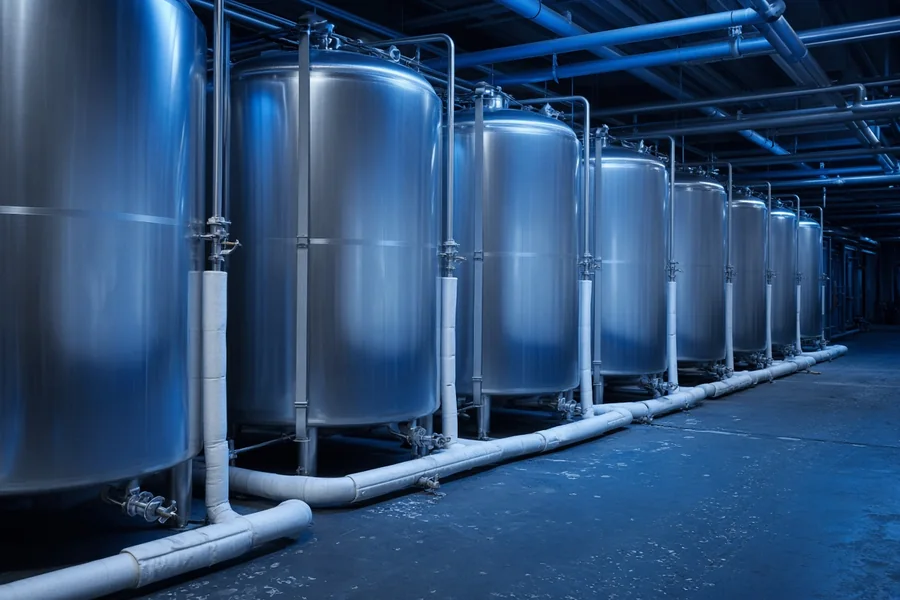
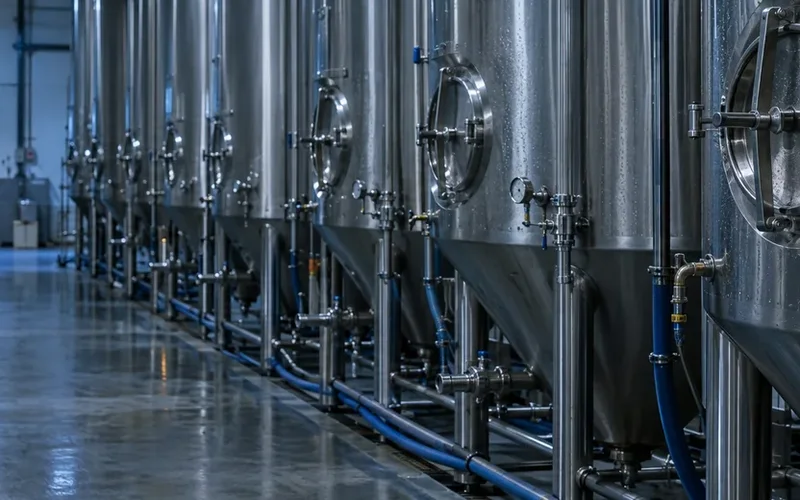
- Brewery Fermentation & Cellar Cooling - jacketed tank and cellar holding through an exothermic ferment
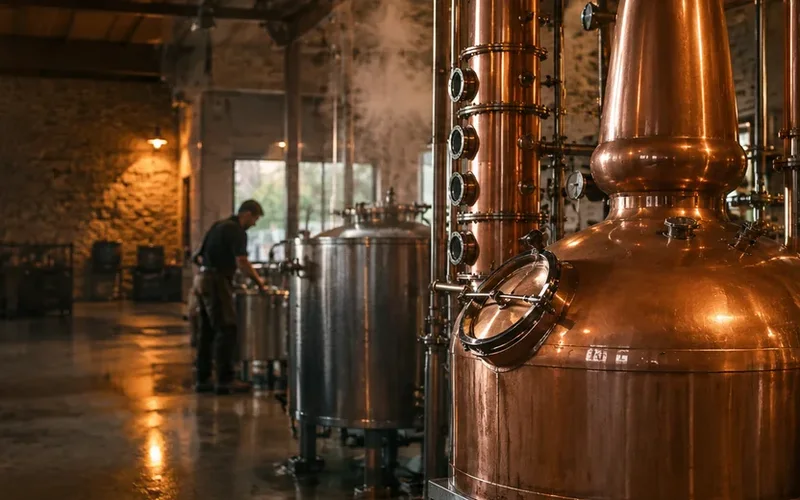
- Distillery Condensing & Column Cooling - condenser duty on the still and column, plus product cooling
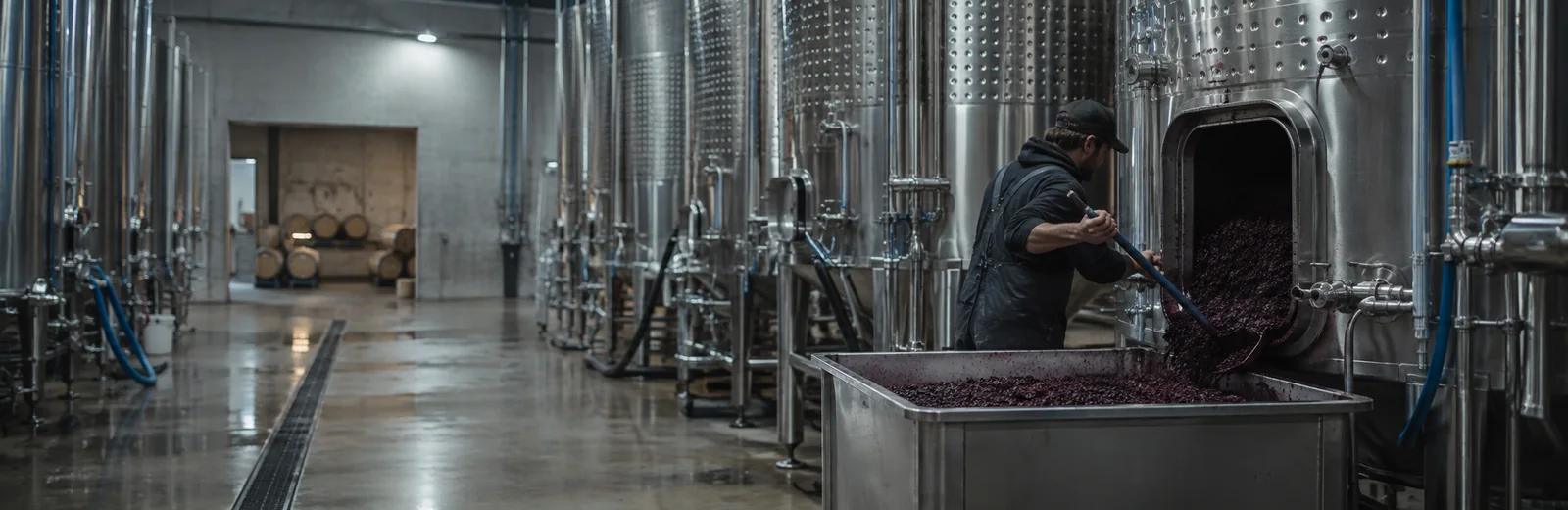
- Winery Fermentation Cooling - cap management and cold-soak temperature control through crush season
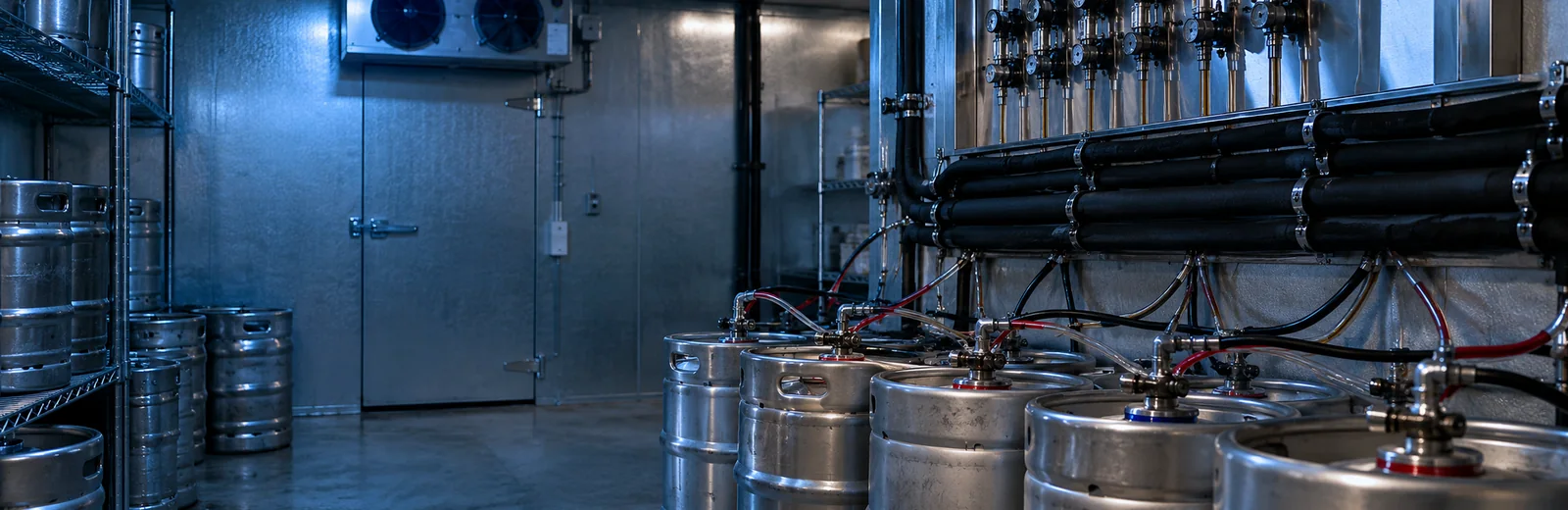
- Keg & Draft Line Cooling - glycol-jacketed draft lines and walk-in keg cooler holding temperature
What Makes Beverage Cooling Different
Setpoint
Down to 28°F
Colder Than Food Processing
Fermentation, cold crash and condensing duty routinely call for leaving fluid temperatures down in the 28-34°F range - colder than most food-plant cooling and well past the point where plain water risks freezing in the chiller's own coil. A properly mixed glycol loop is what gets a brewery, distillery or winery there reliably.
Duty cycle
Batch, Seasonal
Crush and Fermentation Peaks
Fermentation cooling spikes hard during active fermentation and idles between batches; winery crush season concentrates a year's demand into a few intense weeks. Sizing off an average load instead of the peak batch or peak season is the most common way a beverage chiller runs short.
Fluid
Food-Grade Propylene
Product-Contact-Adjacent
Anywhere the glycol jacket sits close to product - fermenters, cellar tanks, condensers, draft lines - the fluid is food-grade propylene glycol, not the industrial ethylene mix used elsewhere in a plant. A cross-connection between the two is a real, avoidable mistake.
Layout
Multi-Zone
One Loop, Several Setpoints
A brewery or distillery commonly runs fermentation, cellar and packaging cooling from one glycol system at different simultaneous setpoints. A dual-zone or multi-zone packaged chiller, not several single-purpose units, is usually the more efficient way to serve that.
Sizing a Brewery, Distillery or Winery Loop
Three numbers get a quote moving fast: peak simultaneous heat load in tons, the leaving fluid temperature your process needs, and wether the unit sits indoors near the cellar or outdoors on a pad. Everything else - glycol percentage, pump/reservoir sizing, single vs. multi-zone configuration - follows from those three.
Most single-line brewery, distillery or winery duty fits a portable chiller through roughly 40 tons; a multi-vessel operation running fermentation, cellar and packaging together typicaly lands in the 40 to 100 or 100 to 210 ton range. Above that, a modular or custom system is the right conversation to have with an application specialist.
Send Us
- Peak heat load (tons) or vessel/still data to calculate it
- Required leaving fluid temperature
- Indoor or outdoor installation
- Single-zone or multi-zone requirement
- Which application below matches your operation
DIG DEEPER BY APPLICATION
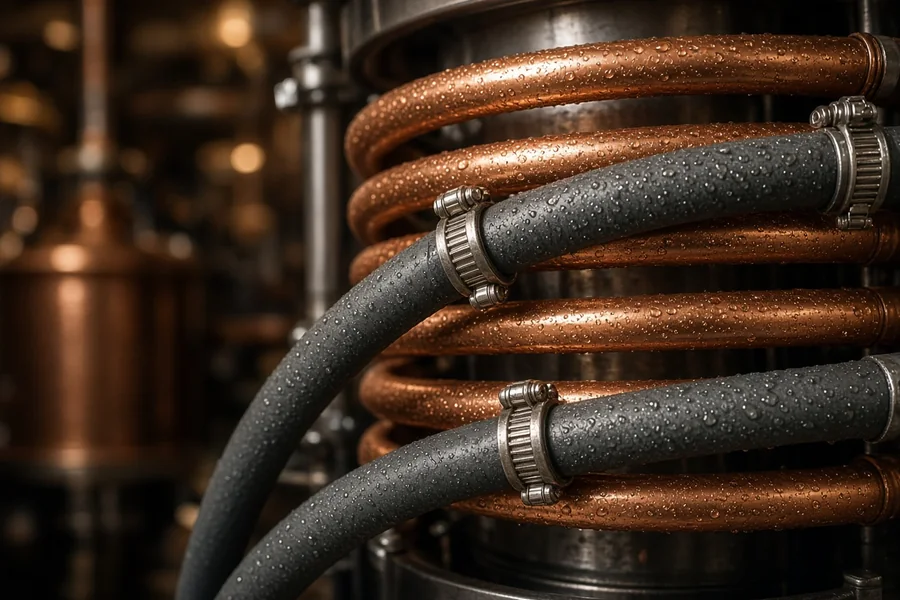
Brewery Fermentation & Cellar Cooling
Jacketed fermenter and cellar temperature control through active fermentation.
Learn More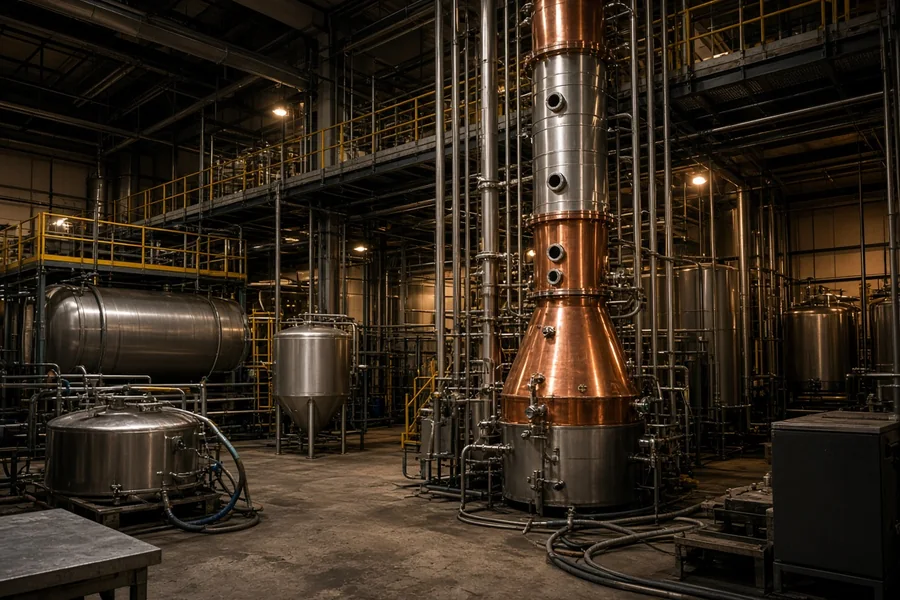
Distillery Condensing & Column Cooling
Still condenser and column temperature control to keep pace with the boiler.
Learn More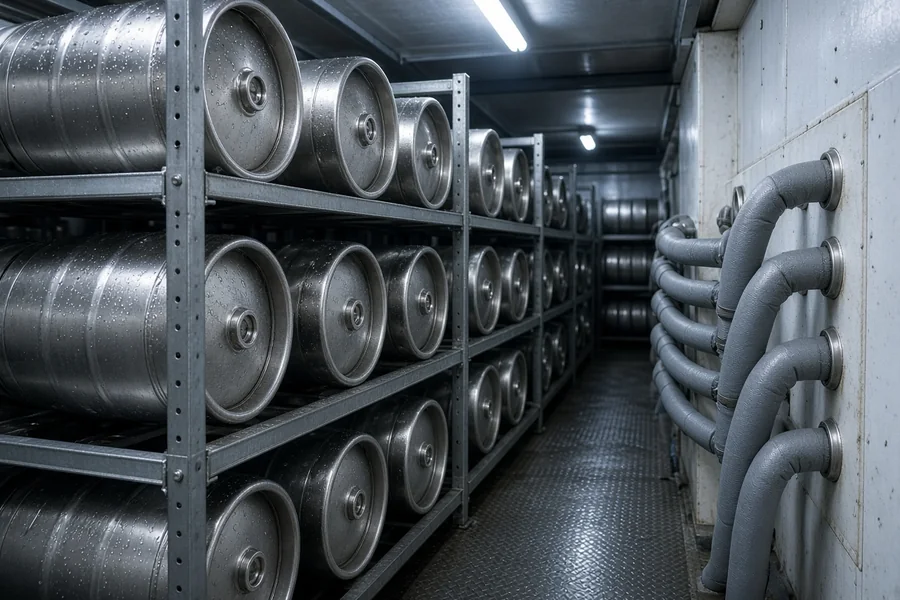
Winery Fermentation Cooling
Cap management and cold-soak temperature control through crush season.
Learn More