1-805-484-2992
Quotes - Sizing - SalesOverview
A chiller quote is only as good as the numbers behind it - heat load, fluid temperature, glycol mix and install conditions all shape which unit actually fits.
Sizing a glycol chiller correctly comes down to a handful of real numbers, not a rule of thumb: the heat load you need to remove, the fluid temperature the process requires, the glycol type and mix that protects the loop, and whether the unit lives indoors or outside. Get those right and picking a chiller is straightforward; guess at any of them and you end up oversized, undersized, or fighting freeze-ups and pump problems after installation.
The guides below walk through each piece on its own, so you can work out - or send us - the figures that actually determine a rating, rather than starting from a tonnage number pulled out of the air.
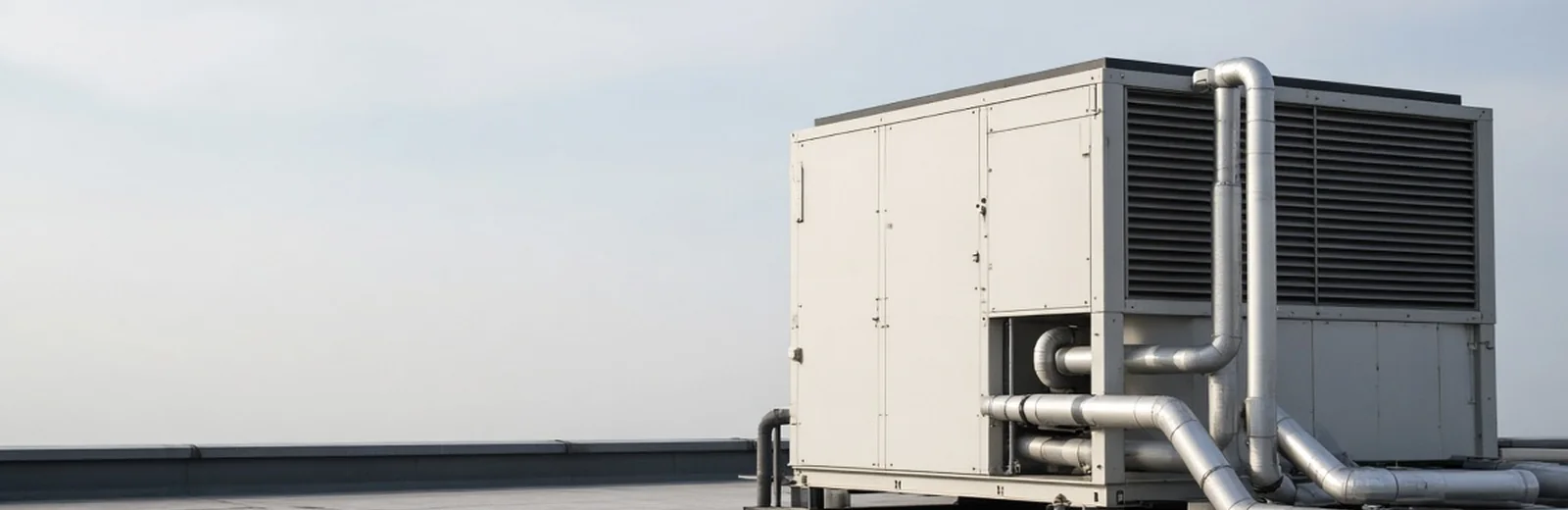

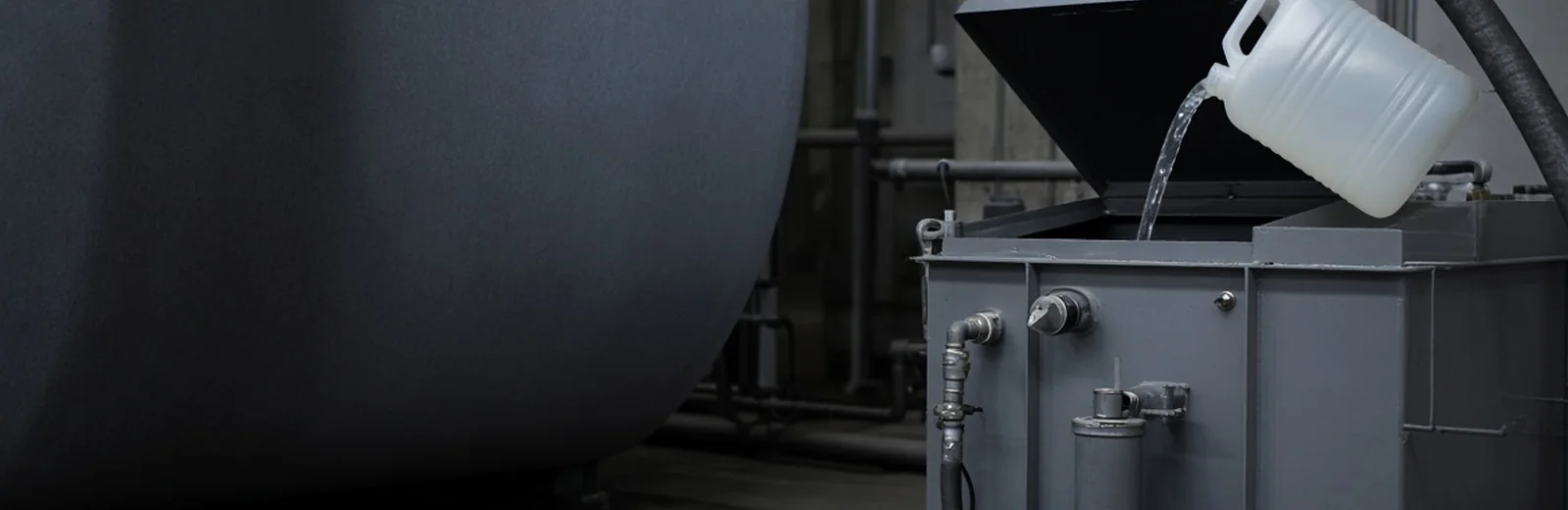
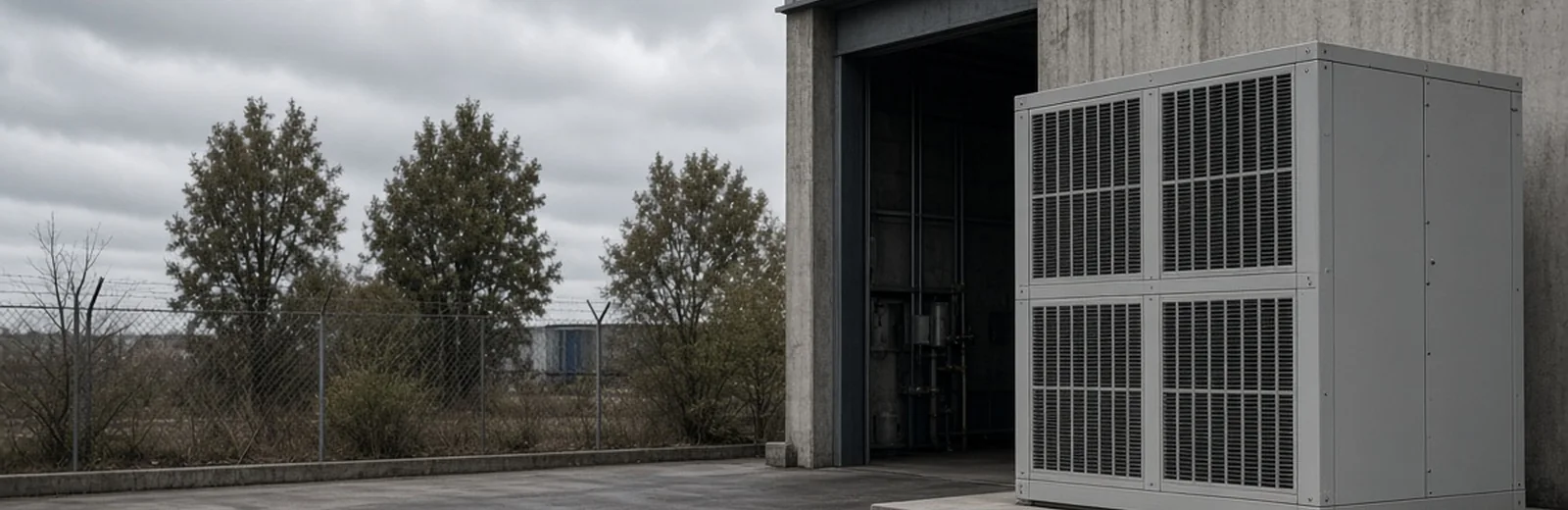
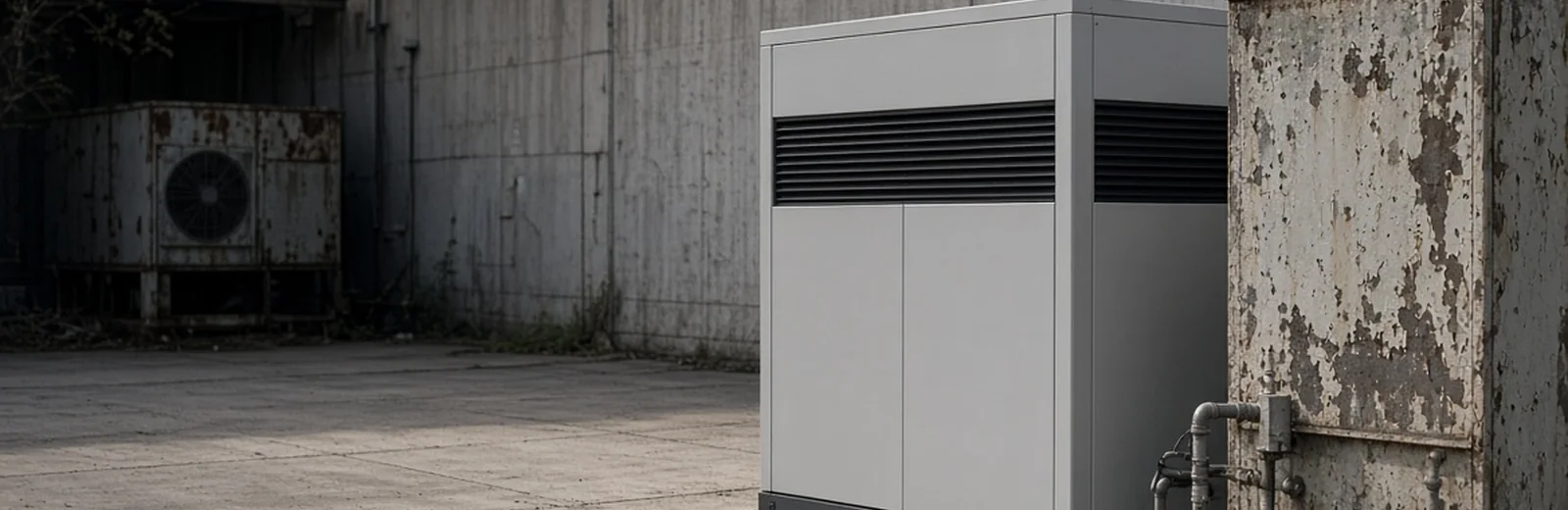
Send Us the LoadHeat load, leaving fluid temperature, glycol type and site conditions fix the rating. If you have them already, skip the seven guides and send the figures as they stand.
No charge for working through the sizing before a formal quote.
Still Not Sure Where to Start?
If you already know your heat load, target fluid temperature and install location, send those numbers straight to us for a rating. If you don't, start with How to Size a Glycol Chiller - it walks through where each of those numbers comes from.
- How to Size a Glycol Chiller - the core heat load, GPM and delta-T calculation
- Chiller Sizing Calculator - working through the sizing math step by step
- Tonnage & Capacity Guide - what tonnage actually means and how capacity scales
- Leaving Fluid Temperature Guide - matching your process setpoint to a realistic chiller rating
- Glycol Type & Mix - propylene vs. ethylene and setting the right mix percentage
- Indoor vs Outdoor Installation - how site conditions change the equipment spec
- Replacement & Upgrade Guide - sizing a new chiller against an existing installation
The Four Numbers That Set a Rating
Load
Not a Guess
Heat Load From the Process
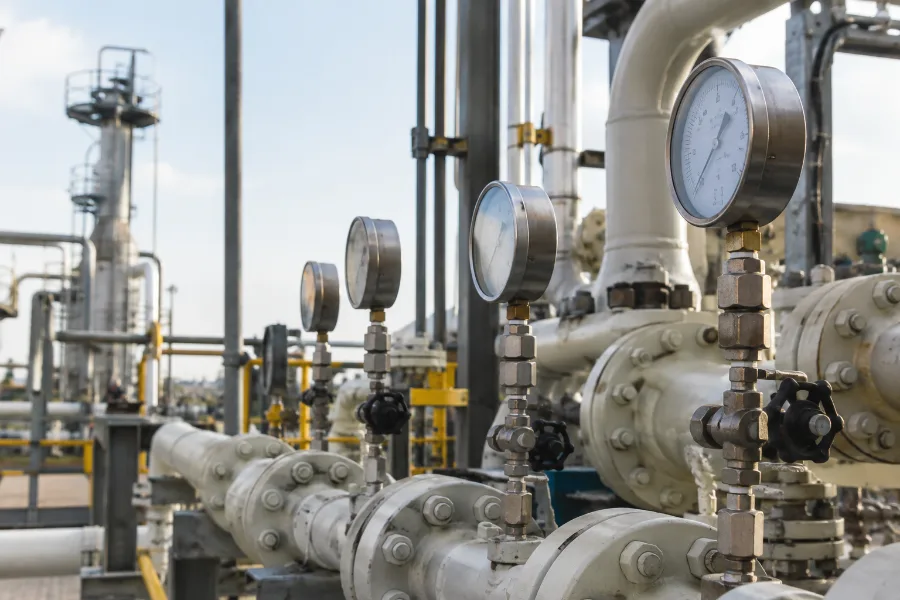
Pulled from the equipment or process itself - a fermenter's exothermic rate, a compressor's rated heat rejection - never backed into from tank volume or floor space alone.
Temperature
20°F-80°F Range
Leaving Fluid Temperature
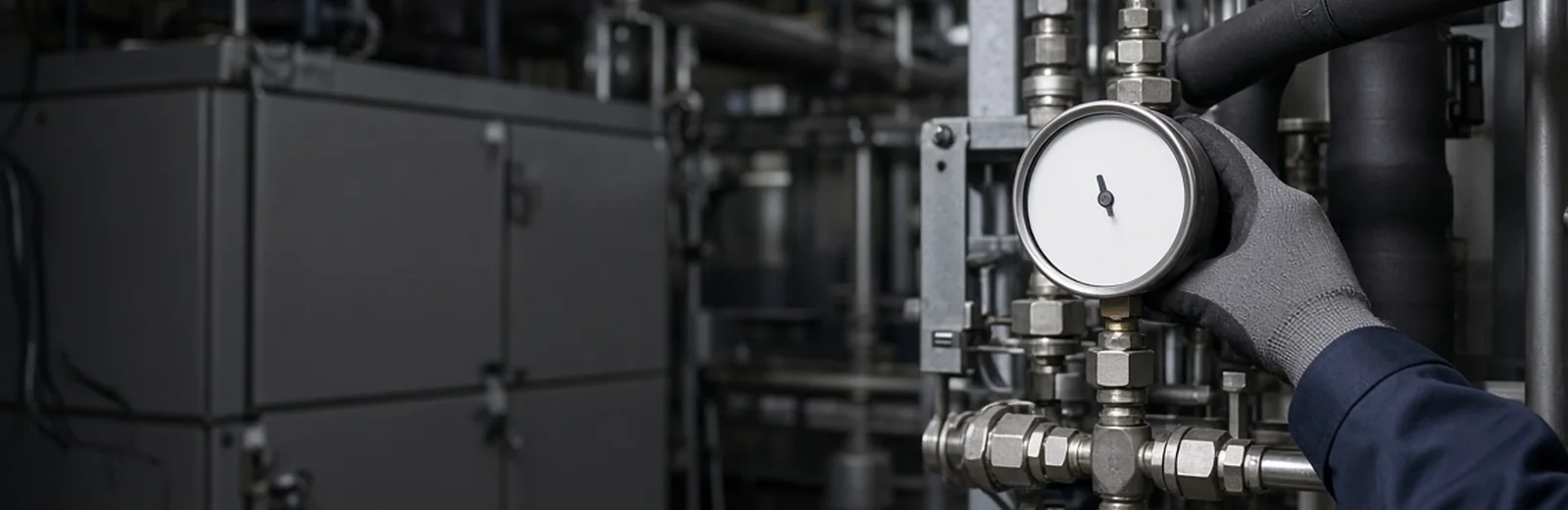
A tonnage number means nothing without a stated LFT - the same chiller delivers meaningfully less capacity at 25°F than at 45°F for the same rated tonnage.
Fluid
Propylene or Ethylene
Glycol Type & Mix
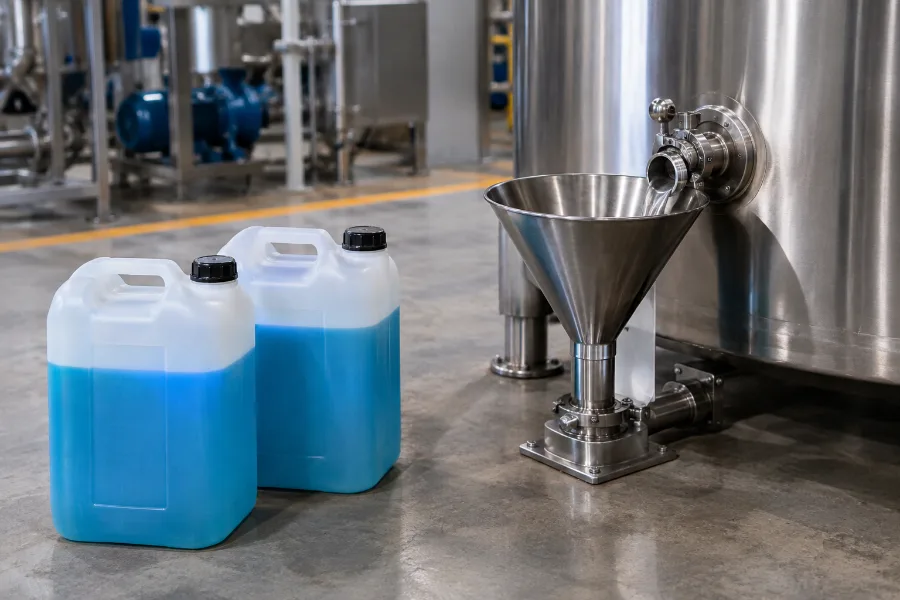
Food-grade propylene wherever product contact is a risk; industrial ethylene only in closed, non-food loops. Mix percentage is set by the coldest temperature the loop must survive.
Site
Indoor or Outdoor
Installation Conditions
Outdoor units need weatherproofing and cold-weather start features an indoor mechanical-room chiller doesn't - and site ambient temperature becomes a real sizing input.
Still Not Sure Where to Start
If you already know your heat load, target fluid temperature and install location, send those numbers straight to us for a rating. If you don't, start with How to Size a Glycol Chiller - it walks through where each of those numbers comes from.
The seven guides in this section cover sizing math, tonnage and capacity, leaving fluid temperature, glycol type and mix, indoor vs. outdoor equipment differences, and replacement sizing - each focused on one real decision at a time.
Send Us
- Heat load (BTU/hr or tons), or the process data to calculate it
- Target leaving fluid temperature
- Indoor or outdoor installation
- Which glycol you expect to run: food-grade propylene or industrial ethylene
- Available voltage and phase
DIG DEEPER BY TOPIC
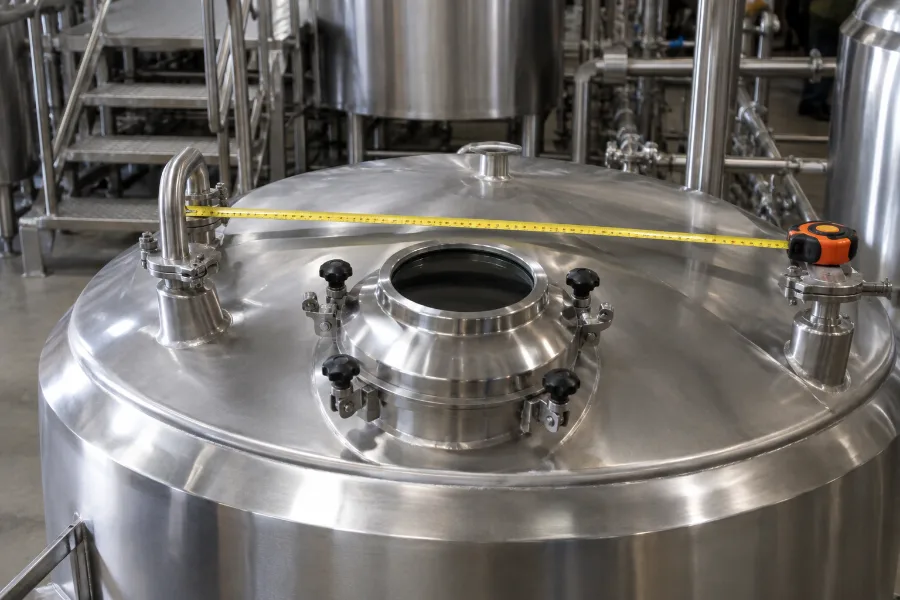
How to Size a Glycol Chiller
Heat load, flow rate and temperature differential - the core calculation.
Learn More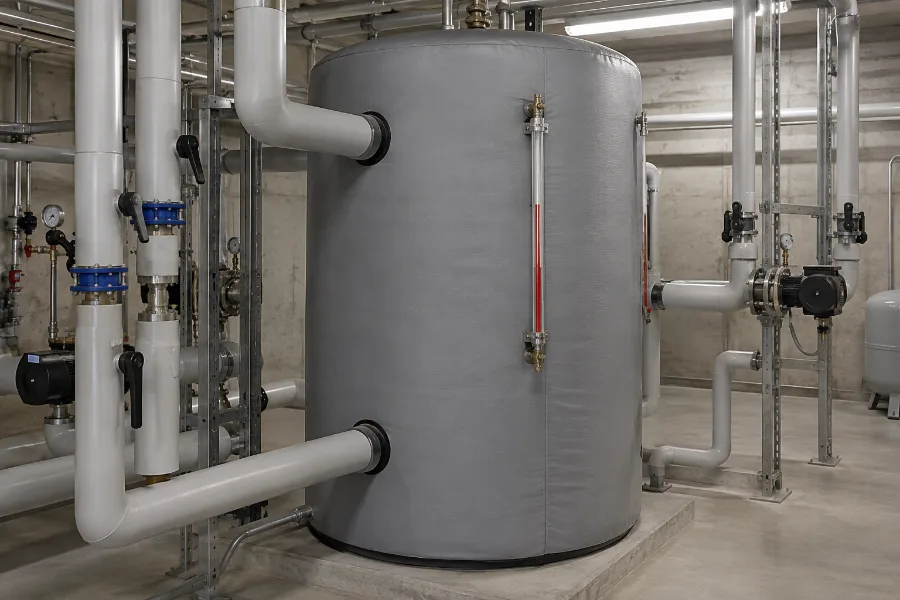
Tonnage & Capacity Guide
How capacity scales from portable through packaged central to modular.
Learn More