
1-805-484-2992
Quotes - Sizing - SalesOverview
Once you know you're replacing, two things make the process go smoothly: a swap-out checklist that avoids downtime surprises, and a quote request with the right information in it.
Replacing a chiller isn't just a like-for-like equipment swap - electrical, piping and controls connections, disposal of the old unit's refrigerant, and minimizing downtime during the changeover all need a plan. The Installation & Swap-Out Checklist below covers what to line up before the old unit comes out, so the new one can go in with minimal disruption.
When you're ready, a replacement quote request works best with your current unit's details (or your sizing from Find Your Match) alongside your site's electrical and installation conditions - the more of that we have upfront, the faster we can turn around an accurate quote rather than a rough estimate that changes later.

COMMON APPLICATIONS
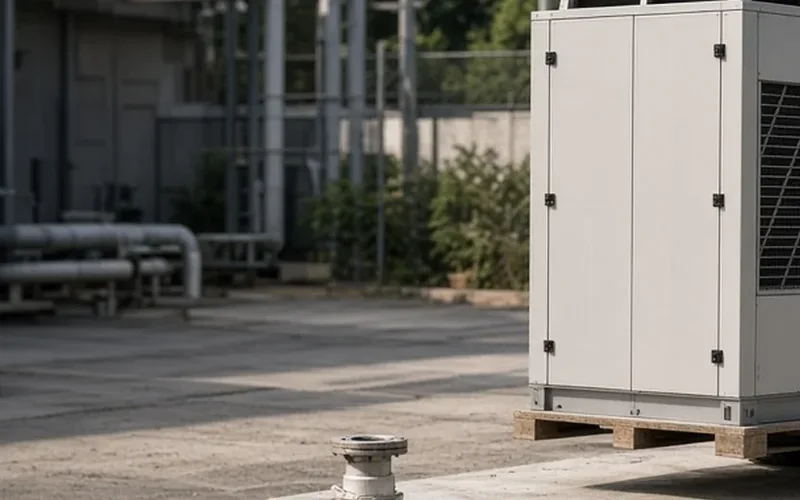
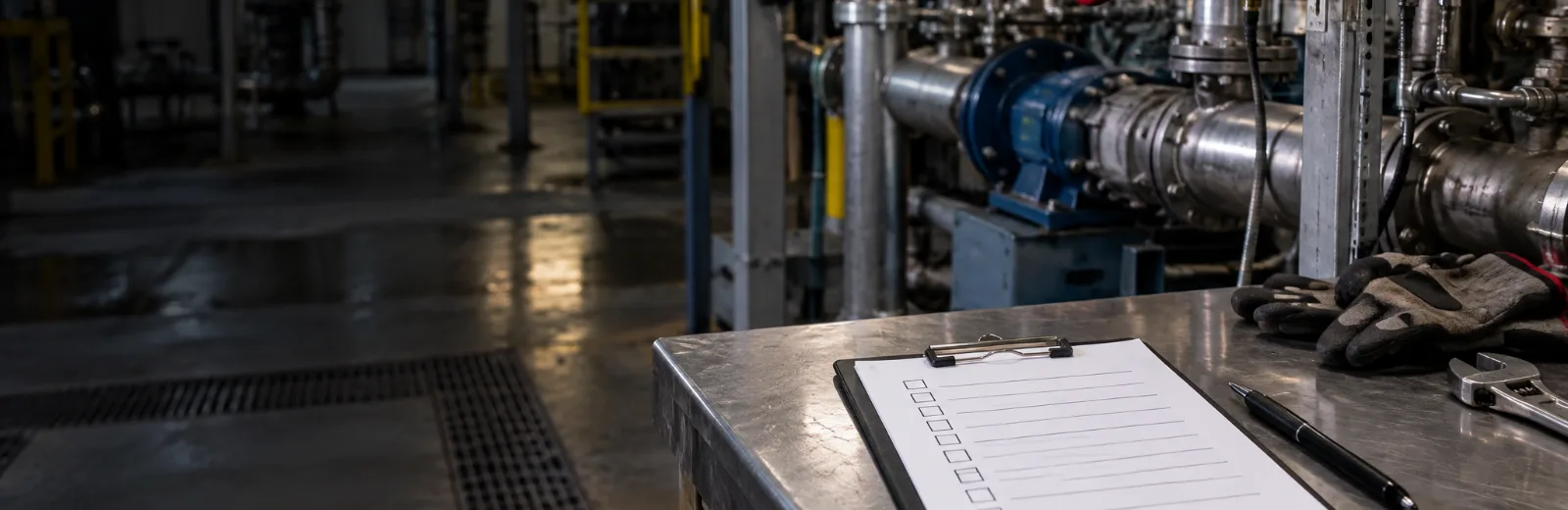
Plan the changeover before the old unit stops.
- Check electrical service and piping connections before the old chiller goes offline.
- Book a licensed technician to recover the old refrigerant as its own step.
- If the process cannot sit idle, plan a temporary bridge chiller for the window.
Ready to Move Forward?
Review the swap-out checklist if you haven't planned the changeover itself yet, or go straight to requesting a quote if you already have your sizing and site details in hand.
- Installation & Swap-Out Checklist - what to line up before the old unit comes out
- Request a Replacement Quote - send your details and current requirements directly
What Makes a Swap-Out Go Smoothly
Plan Ahead
Before Disconnect
Confirm the Connections First
Verify the new unit's electrical service and piping connections match - or have been adapted to match - the existing infrastructure before the old chiller comes offline. Adaptation work belongs before the swap, not during it.
Regulatory
Refrigerant Recovery
Not Optional, Not Automatic
A licensed technician has to recover the old unit's refrigerant before disposal, regardless of type. Schedule it as its own step rather than assuming it happens automatically during removal.
Downtime
The Changeover Window
Plan It Realistically
Disconnection, rigging the old unit out, positioning and connecting the new one, and startup all take real time. A process that can't tolerate an extended gap may need a temporary bridge chiller for the window.
Quote
Details In, Speed Out
What Speeds Up Your Quote
Sizing plus site electrical and installation conditions, sent together, turn into an accurate quote fast. A partial request usually comes back with follow-up questions before pricing does.
Requesting a Replacement Quote
The fastest quotes come from requests that already carry a sized rating - either from Find Your Match or from an earlier conversation with us - alongside the site conditions that affect installation: available voltage, indoor or outdoor placement, and any footprint or clearance constraints around the pad.
If your timeline is tight, say so up front. Lead time varies by configuration, and knowing the target date lets us flag early whether a standard packaged unit fits the window or a different path is worth discussing.
Send Us
- Current unit's tonnage/model, or your Find Your Match rating
- Available voltage and electrical service
- Indoor or outdoor installation, with any footprint constraints
- Target timeline or required in-service date
WHERE TO GO NEXT
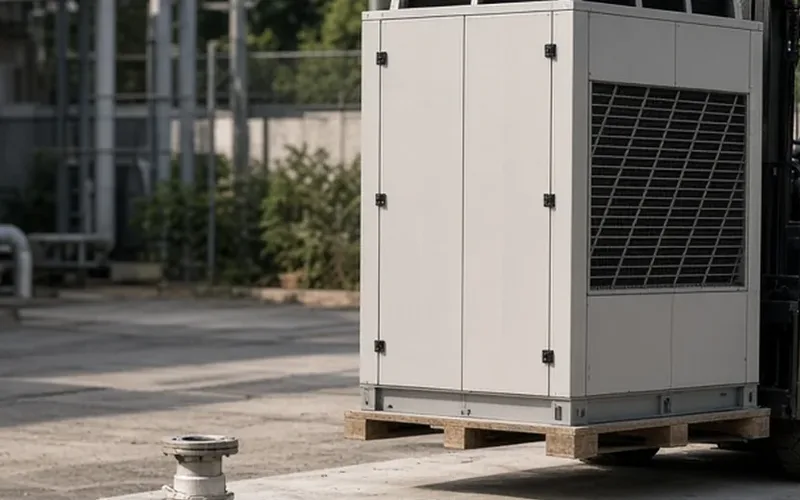
Installation & Swap-Out Checklist
What to line up before the old unit comes out, step by step.
Learn More
Find Your Match
Don't have a sized rating yet? Match by model or size from your process first.
Learn More
Is It Time to Replace?
Still deciding? Review the signs, the cost math and the R-22 question first.
Learn More