
1-805-484-2992
Quotes - Sizing - SalesOverview
An aging chiller rarely fails all at once - it usually tells you first, through rising repair bills, lost capacity, or a refrigerant that's getting harder to source.
Every chiller eventually reaches the point where keeping it running costs more than replacing it - the question is usually when, not if. The pages here cover the practical signs that a chiller is on its way out, how to weigh a repair bill against a new unit's cost over its remaining service life, and the specific case of older R-22 refrigerant equipment, where the calculation has changed regardless of the unit's mechanical condition.
None of this is about pushing a replacement before it's warranted - a chiller with a straightforward, inexpensive repair ahead of it and years of service life left doesn't need to go anywhere. This is about giving you the same information an engineer would use to make that call, rather than a sales pitch dressed up as one.
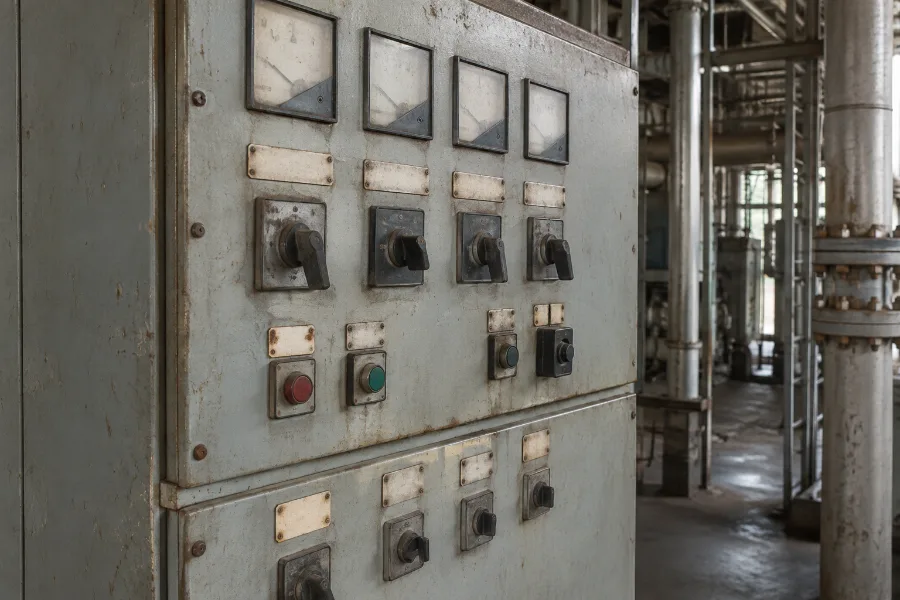
Decide from service records, not unit age.
- Three or four service calls a year, up from one, means parts are wearing out.
- Trouble holding setpoint on hot days means the original tonnage is gone.
- An R-22 unit carries the risk of a sudden refrigerant bill, worth planning for.
Already Know You Need a New Unit?
If you've already made the call, skip ahead to Find Your Match to look up a compatible replacement by manufacturer and model, or go straight to Get Started for the installation and swap-out process.
- Signs You Need a New Chiller - the practical indicators that repair is no longer the better option
- Repair vs. Replace Cost Guide - weighing a repair bill against total cost of ownership
- R-22 & Refrigerant Phase-Out Guide - what an older R-22 unit means for your replacement timeline
What an Aging Chiller Is Telling You
Frequency
Rising Repair Calls
More Often, Buying Less Time
A unit that needed one service call a year and now needs three or four is telling you components are wearing out faster than they can be individually replaced - and each repair buys less time than the last.
Capacity
Losing Its Rating
Struggling Under Peak Load
A chiller that used to hold setpoint comfortably but now struggles on hot days or under peak load is no longer delivering its original tonnage, even if it's still technically running.
Refrigerant
R-22 Risk
A Sudden, Not Steady, Cost
An R-22 unit doesn't fail on a predictable schedule - it carries the risk of a sudden, expensive refrigerant event that a current-refrigerant unit simply doesn't. That risk is worth weighing on its own.
Economics
Repair vs. Total Cost
One Bill Isn't the Whole Picture
A single repair quote almost always looks cheaper than a new unit. The real comparison is that repair against the pattern of repairs, efficiency loss and downtime risk likely to follow it.
Making the Call With Real Numbers
The clearest way to settle repair-vs-replace is with your actual repair history next to an actual replacement quote for your load and site conditions - not a general rule applied to a unit we haven't looked at. Two or three years of service records tells a more honest story than the most recent invoice alone.
If you're not sure which way it's leaning, send us what you have and we'll help you read it the way an engineer would - not to push a sale, but to give you the same information the decision actually turns on.
Send Us
- Current unit's age and tonnage
- Repair history over the past 2-3 years
- Refrigerant type, if known
- How it performs under peak load today
DIG DEEPER
Signs You Need a New Chiller
The practical indicators that repair is no longer the better option.
Learn More
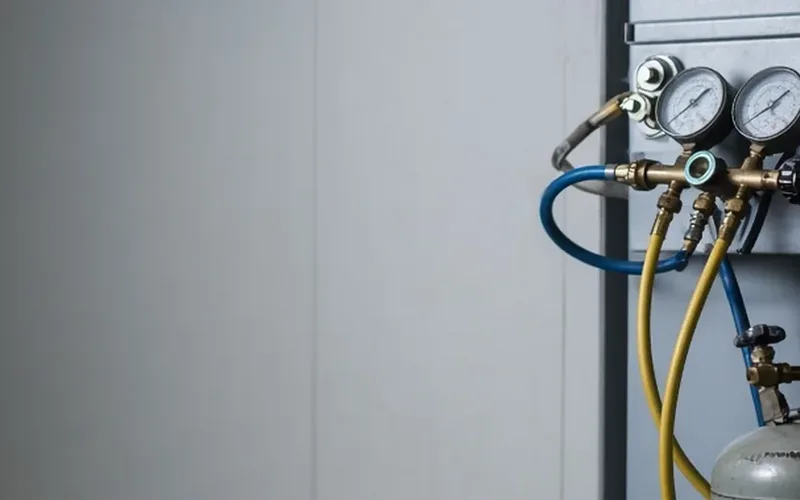
R-22 & Refrigerant Phase-Out Guide
What an older refrigerant means for your replacement timeline.
Learn More