1-805-484-2992
Quotes - Sizing - SalesOverview
Not every medical cooling need is a permanent central plant - a mobile imaging trailer or a facility bridging a planned outage needs cooling it can bring with it.
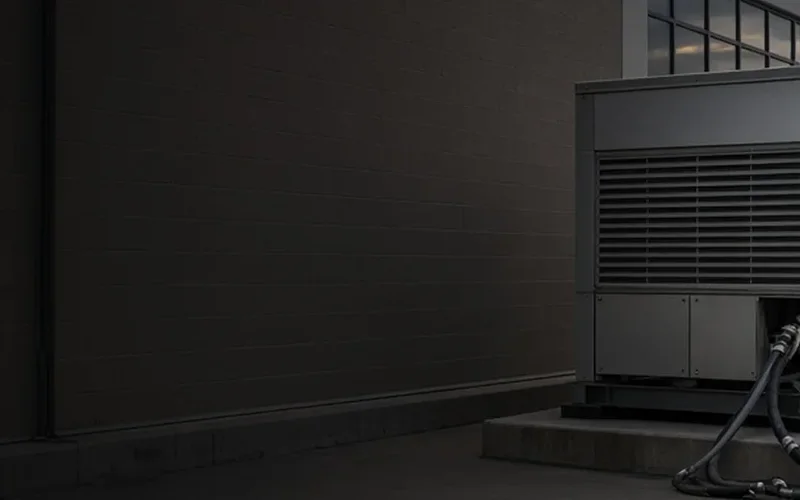
Large hospital systems typically run permanent, central water-chiller plants for their core imaging and critical-space cooling - that's a different scope than what most facilities need when the cooling requirement is mobile, temporary, or a backup to an existing system. A mobile imaging trailer that moves between sites, or a clinic covering a chiller outage or a planned electrical shutdown, needs a self-contained portable or outdoor packaged glycol unit it can deploy on short notice rather than a permanent installation.
Glycol chillers sized for this duty give facilities and imaging providers a way to keep equipment within its rated operating temperature during a mobile deployment or an emergency bridge period, without the lead time or footprint commitment of a central plant.
COMMON APPLICATIONS
Which Situation Matches Yours?
Pick the situation below that's closest to yours, or send us the equipment's rated cooling requirement and deployment timeline directly - mobile and emergency medical cooling is almost always a portable or outdoor packaged glycol unit, sized to be moved or staged quickly rather than built into the facility.
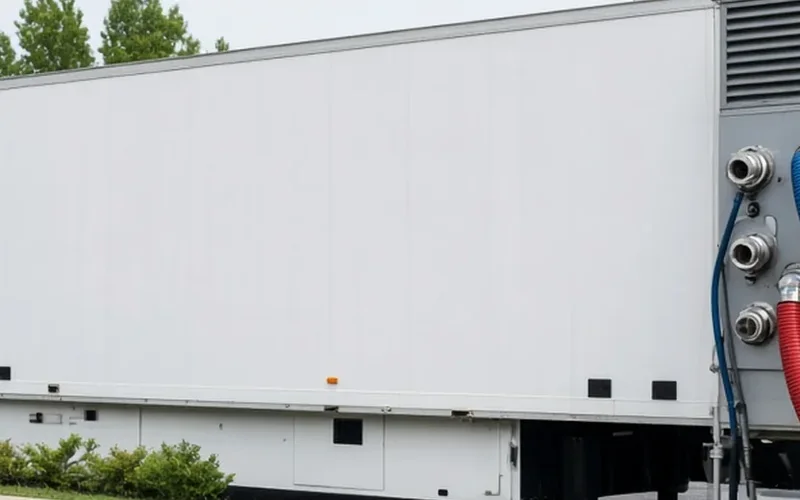
- Mobile Imaging Suite Cooling - self-contained cooling for imaging equipment that travels between sites
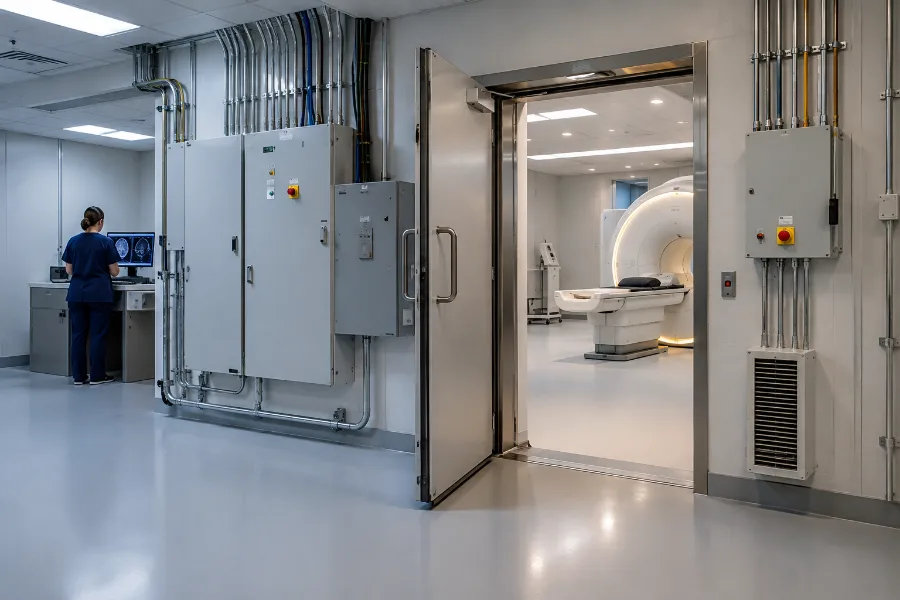
- Emergency & Backup Cooling for Critical Spaces - temporary bridge cooling during an outage or planned shutdown
What Makes Medical Cooling Different
Mobility
Bring-Your-Own
Equipment That Travels
A mobile imaging suite can't depend on a host facility's cooling - the trailer's own self-contained chiller has to maintain the imaging equipment's rated operating temperature at every site it visits, regardless of local infrastructure.
Continuity
No Gap Allowed
Bridge, Not Backup Alone
A critical space cannot simply go without cooling for the length of a repair or a planned electrical shutdown - staged portable cooling has to be ready to bridge that gap before the primary system goes offline, not after.
Response
Rapid Deployment
Staged Ahead of Need
Both applications depend on cooling equipment that can be staged and connected quickly - a mobile suite on a tight site schedule, or an emergency bridge unit responding to an unplanned failure.
Fluid
Freeze-Protected
Trailer & Equipment-Room Ready
Mobile units especially need a glycol mix rated for whatever climate the trailer travels through, not a single regional assumption - the loop has to protect the chiller wherever the trailer is parked that week.
Sizing Medical & Healthcare Cooling
Three numbers get a quote moving fast: the equipment's rated heat rejection or the room's current cooling tonnage, the required fluid temperature, and how quickly the cooling needs to be on site. Everything else - glycol percentage, connection method, footprint - follows from those three.
Most mobile imaging and emergency bridge duty fits a portable chiller well under 40 tons; a larger critical-space deployment or a multi-trailer imaging fleet may need a small packaged system instead. Call with your timeline and we'll confirm what's realistic.
Send Us
- Equipment heat rejection or existing chiller tonnage
- Required fluid temperature
- How soon cooling needs to be operational
- Site access and available voltage
- Which application below matches your need
DIG DEEPER BY APPLICATION
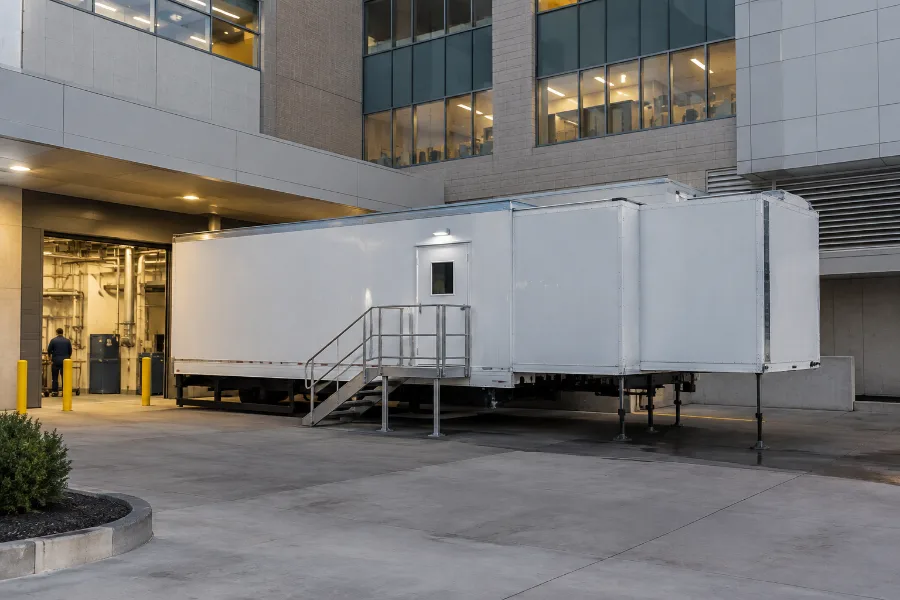
Mobile Imaging Suite Cooling
Self-contained cooling for traveling imaging equipment at every site it visits.
Learn More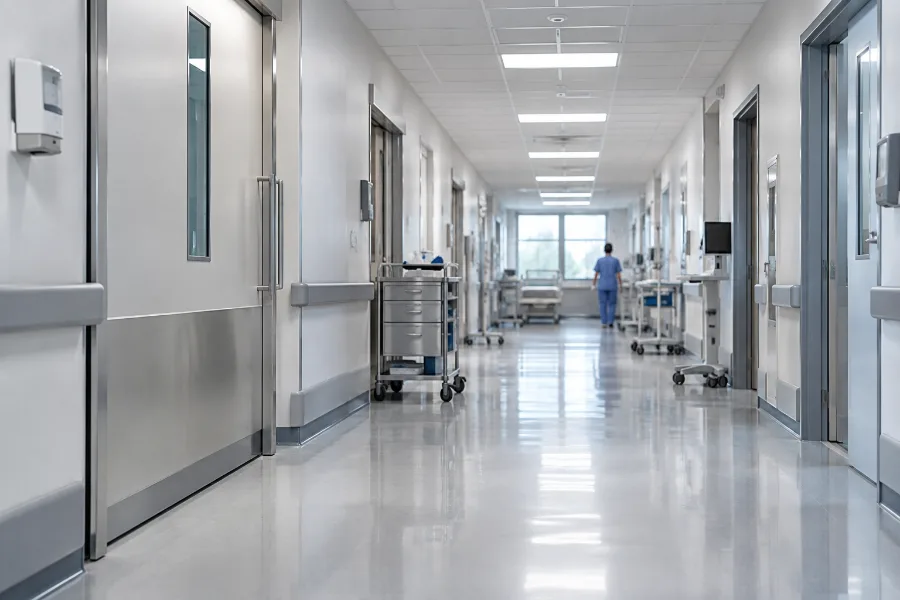
Emergency & Backup Cooling for Critical Spaces
Temporary bridge cooling during a planned outage or an unplanned shutdown.
Learn More