1-805-484-2992
Quotes - Sizing - SalesOverview
A chiller is only part of a working glycol system - the reservoir, piping and filtration around it matter just as much to reliability.
A glycol chiller doesn't work in isolation - a properly sized pump tank station or reservoir buffers the loop and handles circulation, remote condenser piping extends the system where a self-contained unit can't reach, and filtration keeps the glycol solution clean enough to protect heat exchangers and control valves over the system's life. Skipping or undersizing any of these shows up later as pump cavitation, fouled exchangers, or a loop that can't hold its setpoint under load.
The pages below cover what each accessory does and how it's sized, so a new glycol system - or an upgrade to an existing one - gets specified as a complete working loop, not just a chiller.
COMMON APPLICATIONS
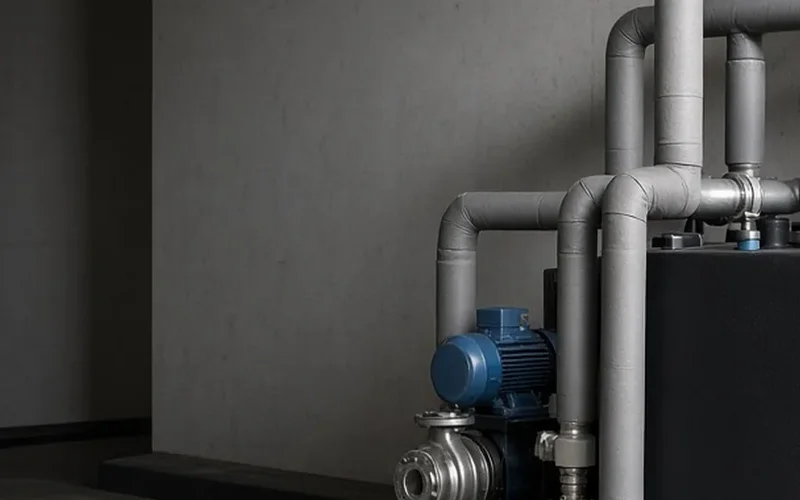
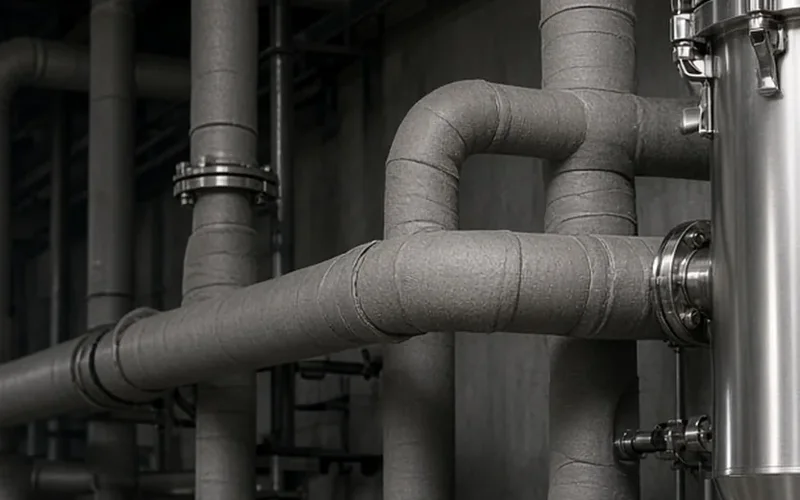
Request a QuoteTank, pump, remote condenser and filter all belong to one glycol loop. Quote them together with the chiller and they get matched to the same volume, flow and head.
Send loop volume, peak GPM, glycol type and condenser configuration.
Specifying a Complete System?
Send us your chiller sizing alongside the accessories you're planning for - a reservoir, remote condenser, or filtration package - and we'll make sure everything is matched to the same loop, not sized separately.
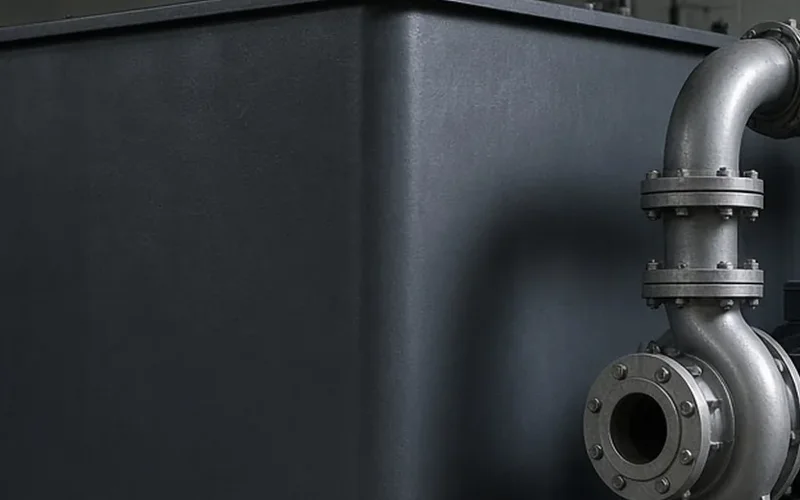
- Pump Tank Stations & Reservoirs - buffering and circulating the glycol loop
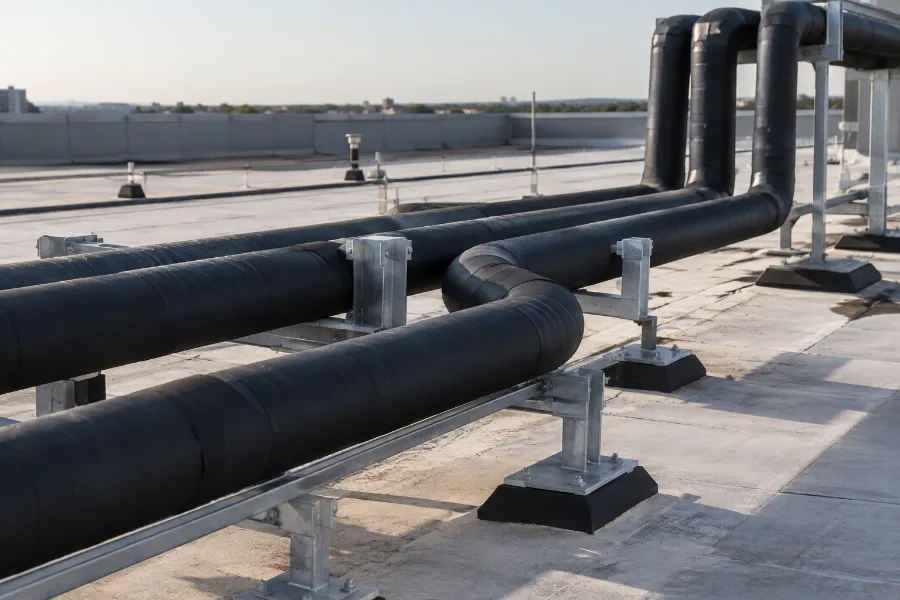
- Remote Condensers & Piping - extending heat rejection beyond a self-contained unit
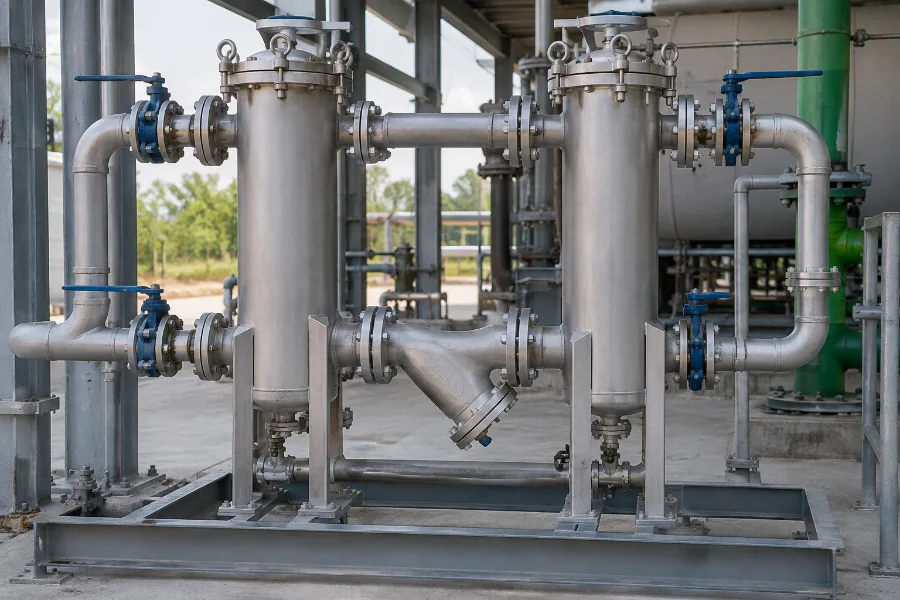
- Filtration & Fluid Management - keeping the glycol solution clean over the system's life
What a Complete Loop Actually Needs
Buffer
Sized to the Loop
Reservoir Volume
A properly sized reservoir smooths out load swings so the chiller isn't short-cycling - undersizing it relative to total loop volume is a common, avoidable cause of premature compressor wear.
Flow
Matched to the Run
Pump Head & GPM
Pump selection accounts for the loop's total flow requirement and the piping run's total dynamic head, not just the chiller's own internal flow rating.
Reach
Beyond the Unit
Remote Heat Rejection
A remote condenser or water-cooled tie-in extends heat rejection where a self-contained unit can't reach, engineered to the specific refrigerant circuit or condenser water requirement.
Life
Protected Long-Term
Clean Fluid
Inline filtration and periodic glycol mix testing keep heat exchangers and control valves protected over years of service, not just at startup.
Specifying a Complete System
A glycol chiller doesn't work in isolation. A properly sized reservoir buffers the loop, remote condenser piping extends the system where a self-contained unit can't reach, and filtration keeps the glycol solution clean enough to protect heat exchangers and control valves over the system's life.
Send us your chiller sizing alongside the accessories you're planning for and we'll make sure everything is matched to the same loop, not sized separately.
Send Us
- Total glycol loop volume, or the piping run to calculate it
- Peak simultaneous flow demand (GPM)
- Remote or water-cooled condenser configuration, if applicable
- Whether the loop needs new filtration or an upgrade to existing
- Glycol type and any chemical/wash-down exposure nearby
DIG DEEPER BY TOPIC
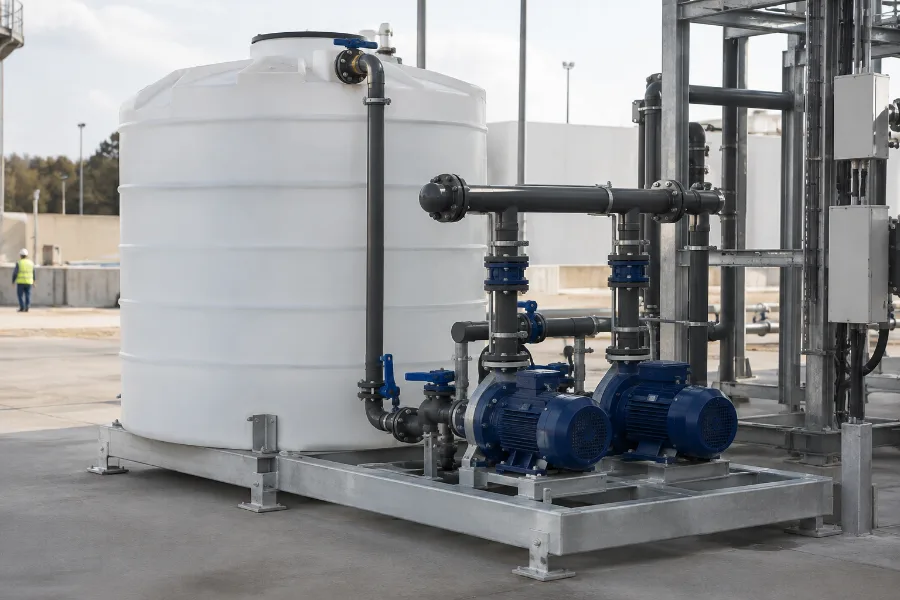
Pump Tank Stations & Reservoirs
Buffering and circulating the glycol loop at the right volume and flow.
Learn More