
1-805-484-2992
Quotes - Sizing - SalesOverview
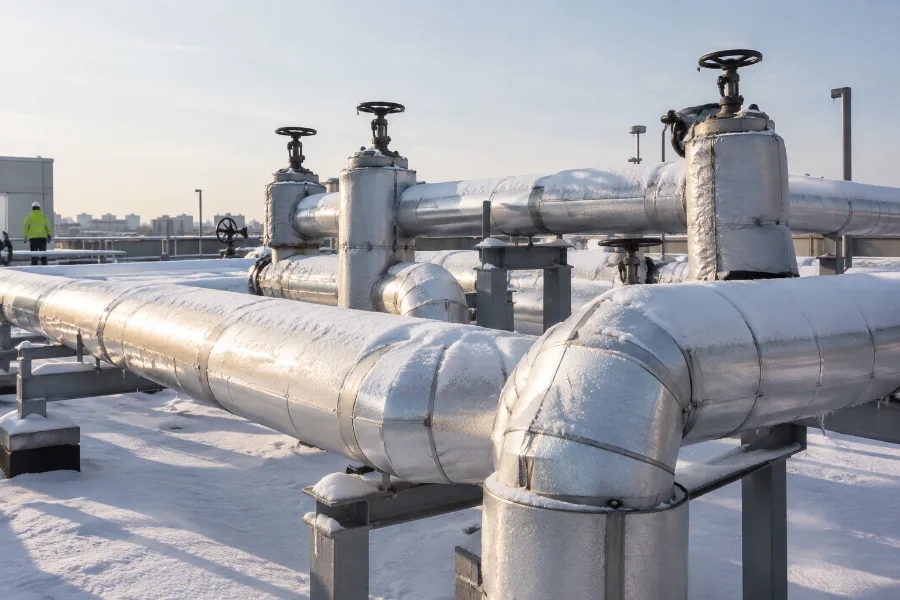
An outdoor-rated glycol package has to run through winter as reliably as it runs through summer - freeze protection is the fluid's job, and the chiller's enclosure has to back it up.
Cooling equipment that lives outdoors, or serves an outdoor system, carries a different set of requirements than an indoor process chiller: the unit itself has to tolerate ambient temperature swings across the year, and in several of these applications, glycol isn't optional - it's the only fluid that keeps a loop from freezing solid in a cold snap. An outdoor-rated packaged chiller with the right glycol mix is built for exactly that duty.
These applications also share a sizing consideration most indoor process duties don't: ambient temperature itself is part of the load calculation, not just the process heat being rejected. A rooftop unit cooling equipment in July and a snow-melt loop running in January are drawing on the same outdoor-rated hardware but very different operating conditions.
COMMON APPLICATIONS
Which Application Matches Yours?
Pick the application below that's closest to your site, or send us the loop volume, target fluid temperature and site conditions directly - outdoor and cold-climate duty is where the glycol type and mix percentage matter most, since the fluid itself is doing freeze-protection work, not just heat transfer.
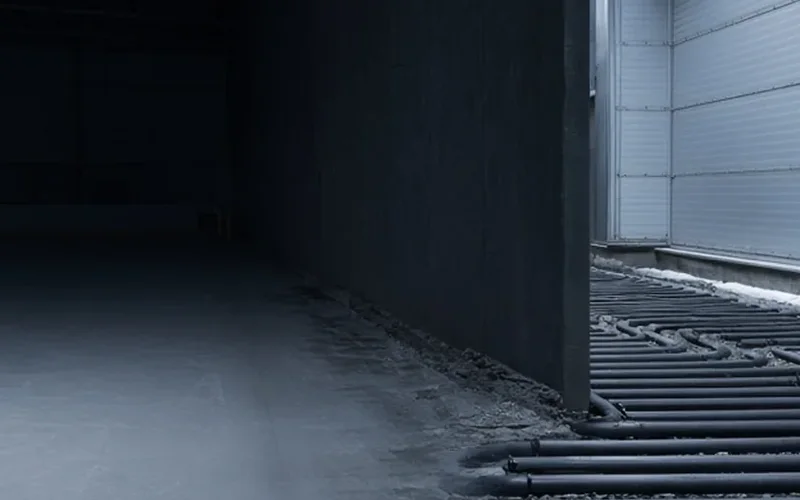
- Freeze Protection & Snow-Melt - hydronic loop protection and snow-melt slab circuits
- Ice Rinks & Cold Storage - rink slab brine/glycol cooling and outdoor cold storage
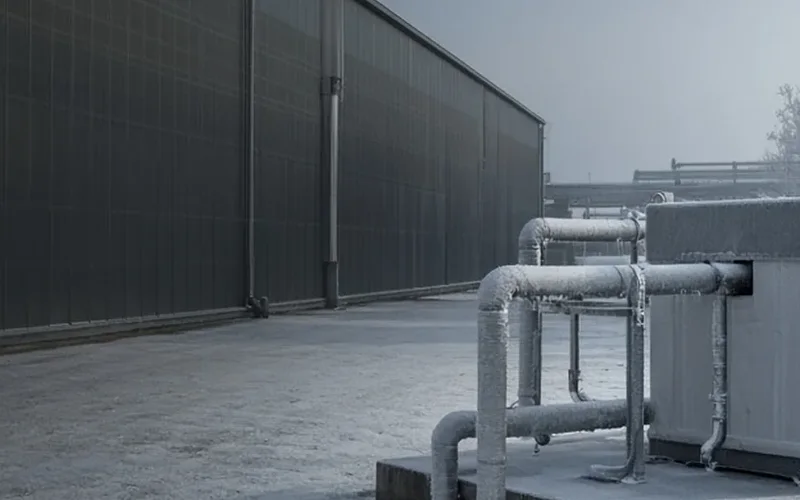
- Rooftop & Outdoor Equipment Cooling - packaged outdoor units cooling rooftop or yard-mounted equipment
What Makes Outdoor Cooling Different
Exposure
Year-Round Outdoors
Built For The Enclosure
An outdoor-rated glycol package has to run through winter as reliably as summer - the cabinet, controls and fluid all have to tolerate the site's full seasonal range, not just the cooling load itself.
Fluid role
Anti-Freeze First
Not Just A Cold Setpoint
On several of these applications the glycol's job is protecting the loop from the outdoor environment as much as hitting a process temperature - a snow-melt circuit and an outdoor rooftop unit both need freeze protection even when the served load itself isn't sub-freezing.
Setpoint range
Wide Span
20°F to 50°F+
Outdoor and cold-climate duty covers an unusually wide setpoint range across its applications - from a rink slab near 20°F to a rooftop condenser loop well above freezing - so sizing starts from the specific application, not a single outdoor rule of thumb.
Duty cycle
Continuous
No Off-Season For The Loop
Freeze protection and rink slab duty in particular run continuously through the relevant season rather than cycling like an indoor process - the system has to be sized for sustained operation, not intermittent peaks.
Sizing Outdoor & Cold-Climate Cooling
Three numbers get a quote moving fast: the peak heat load or circuit lenght for your application, the required leaving fluid temperature, and the coldest ambient temperature the site will see. Everything else - glycol percentage, cabinet construction, pump/reservoir sizing - follows from those three.
Most single-rink, single-roof or single-circuit outdoor duty fits a portable or small packaged chiller through roughly 40 tons; a multi-circuit or facility-wide outdoor system typically lands in the 40 to 100 or 100 to 210 ton range. Above that, a modular or custom system is the right conversation to have with an application specialist.
Send Us
- Peak heat load (tons) or circuit length/area
- Required leaving fluid temperature
- Coldest ambient design temperature at the site
- Available voltage
- Which application below matches your project
DIG DEEPER BY APPLICATION
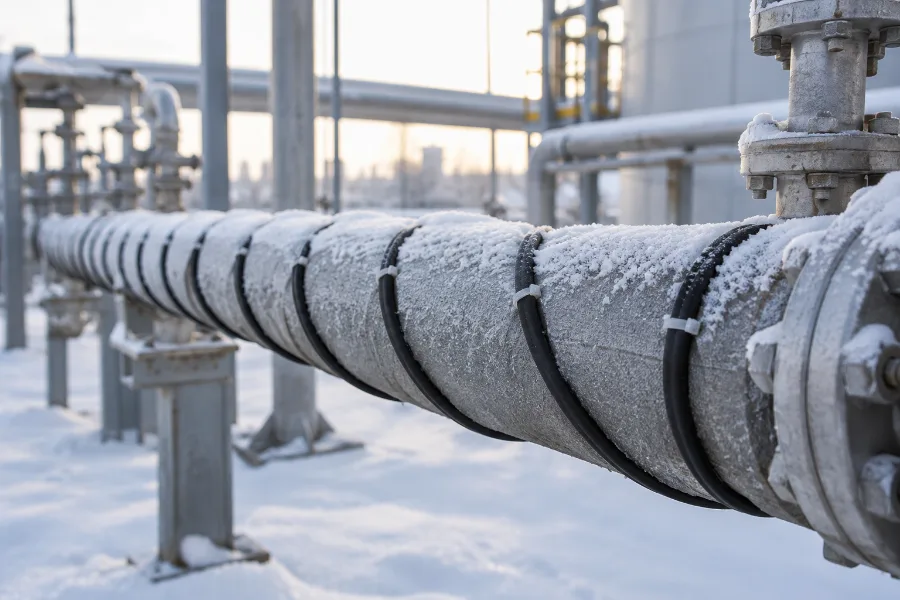
Freeze Protection & Snow-Melt
Hydronic loop freeze protection and snow-melt circuit temperature control.
Learn More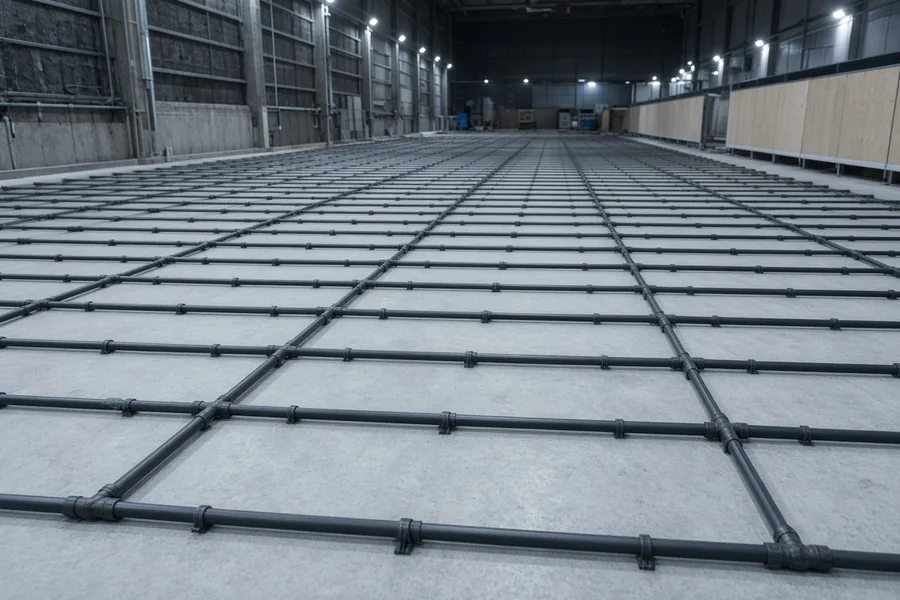
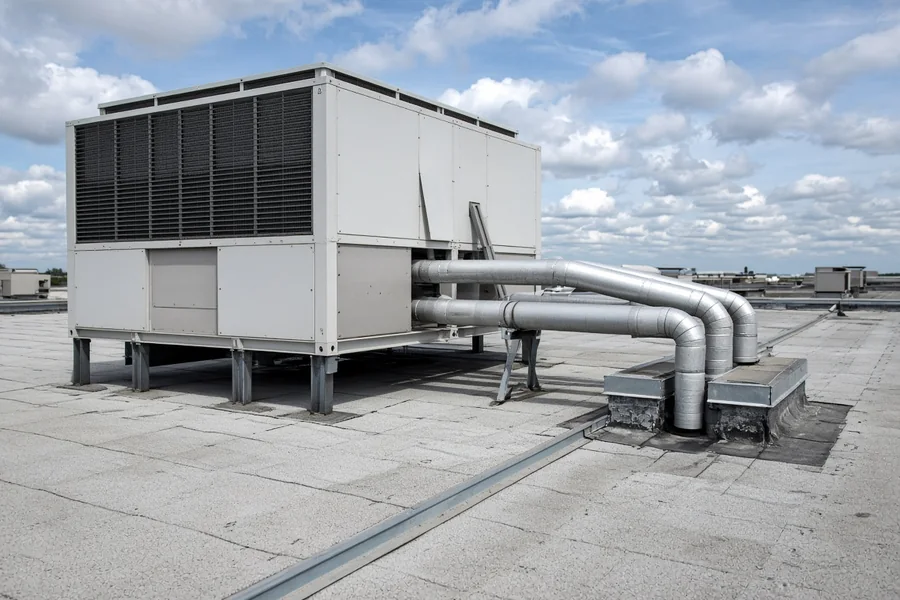
Rooftop & Outdoor Equipment Cooling
Packaged outdoor cooling for rooftop and yard-mounted equipment.
Learn More